
Faculty and Visiting Faculty
emma walton hamilton
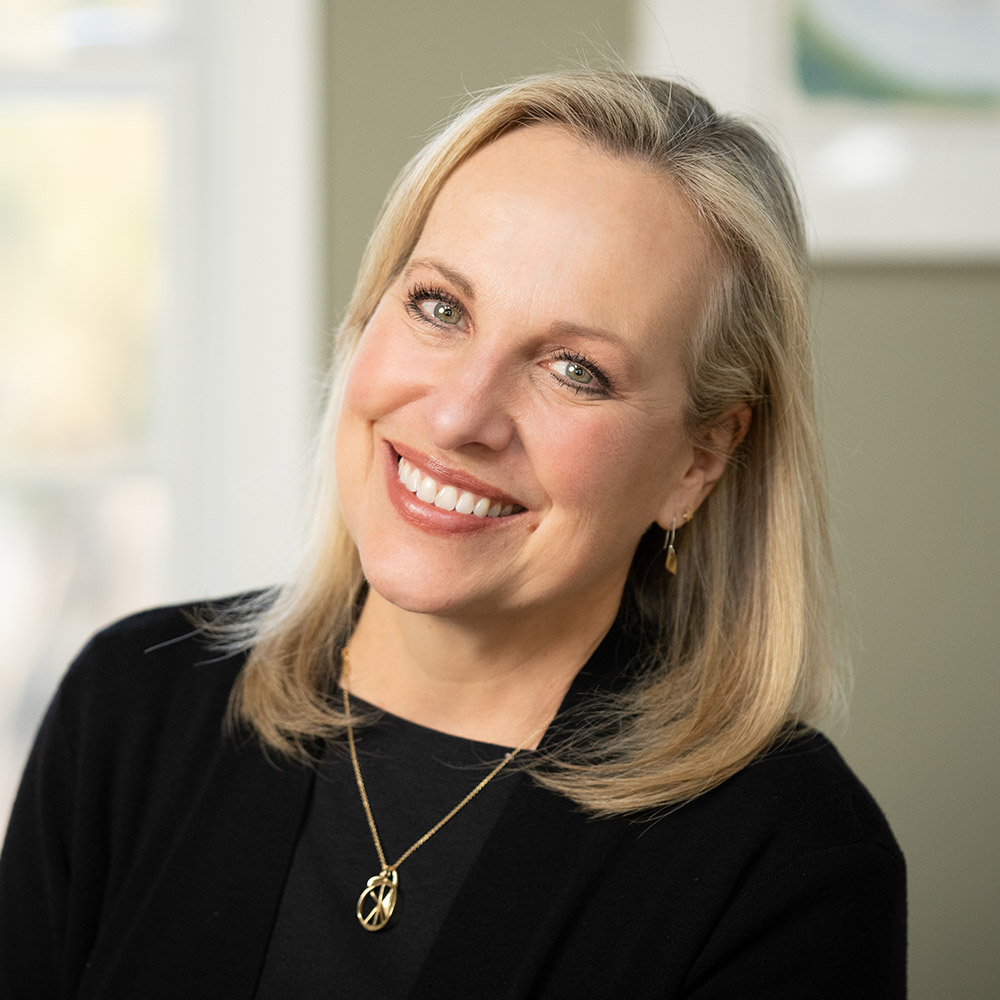
Visiting Assistant Professor, Creative Writing
Emma Walton Hamilton is a best-selling children's author, editor, producer, and arts
educator. She has co-authored over thirty five books for children and adults with
her mother, Julie Andrews, nine of which have been on the New York Times best-seller list, including the #1 bestselling series The Very Fairy Princess. A Bridport Prize-winning poet, Emma’s own poetry collection, Door to Door, was published by Andrews McMeel. Her non-fiction book Raising Bookworms: Getting Kids Reading for Pleasure and Empowerment, premiered as a #1 best-seller on Amazon.com in the literacy category and won a Parent’s
Choice Gold Medal. Emma was a two-time Emmy Award nominee for her role as Executive
Producer and Writer for Julie's Greenroom, a children's television program about the performing arts created for Netflix, co-produced
by the Jim Henson Company. She also co-hosted and co-produced Julie's Library, a story-time podcast for family audiences produced by American Public Media. Emma
has been on the faculty since 2009, and directs both the Southampton Children’s Literature Conference and YAWP (the Young Artists and Writers Project). She is married to actor/producer/director
Stephen Hamilton. More information can be found at www.emmawaltonhamilton.com.
FACULTY INTERVIEW:
What genre(s) do you write in?
I am published in picture book, middle grade, and poetry, as well as in memoir and non-fiction. I am also currently working on a verse YA novel.
What is the thing that excites you about the act of writing?
What excites me most is when I look at a piece of writing and think “who wrote that?” When it seems to somehow come from a place or source that is more than my own simple brain could have come up with. I also love revision – seeing the shape of something emerge more and more clearly on the page.
Do you feel like your work is in conversation with other writers or work? If so,
who/what?
I think all writing is in conversation with other writers and work. That said, I’ve specifically experienced this in my poetry when I have adapted existing material (memoir or short story, for instance) and attempted to write in the voice of the original author, albeit in verse. I have done this on several occasions – in my poetry collection there is a section of poems based on the memoirs of 19th century philosopher Prentice Mulford. I also wrote a poem that was in direct conversation with my own great grandfather, responding to his writing with my own and then creating a 3-way poem, in which half the words are his, half mine, and the whole can be read together as a third poem. I am also currently adapting an existing short story into a verse YA novel, so I feel like I am in constant dialogue with that 20th century author.
What literary magazine would you recommend to your students?
The Southampton Review, of course! I’m also finding a lot of value in Substack these days. One of my favorites is George Saunders’ Story Club.
What is your writing process?
Many of my children’s books and both memoirs were written in partnership with my mother. That partnership process is essentially one of finishing each other’s sentences with me acting as scribe. Whether I am writing with a partner or writing alone, I prefer to write from an outline, or at least to have a general idea of what I am aiming for before I begin… but I also love nothing more than when the writing takes a left turn and surprises me. My work schedule doesn’t permit a regular writing routine, so I write when I can, where I can.
How do you generate ideas?
I don’t think I’m very successful at actively “generating” ideas… I just try to stay tuned to them when they come. My friend and fellow children’s author, Peter H. Reynolds, calls this having “story radar,” which feels very accurate to me.
How do you manage when you get stuck?
I either walk away from it for a while, work on something else, or I take the problem to my critique group.
Inspiration or perspiration?
Inspiration, followed by perspiration. They’re both necessary.
If you weren't a writer, what job would you have?
I have several other jobs in addition to writing, which I think most writers need to do nowadays. I teach, and I have a freelance editing practice. I also coach writers in the submissions process, I’m a podcast producer (and have been a theater and television producer), and I do audiobook narration and voiceover work. My life is a patchwork quilt of professional activities.
Do you have a writing tip for emerging writers?
It sounds pat, but the single most important tip I have is READ. Read widely in your genre and out of it. Nothing will make you a better writer.